
Pool deck cleaning should be matched to the surface and the soil. High pressure alone is not the safest default for pavers, travertine, coated concrete, or joints around a pool. A better process begins with inspection, uses a cleaner selected for the staining or organic growth, and applies only the water force needed to rinse the surface evenly.
That matters in St. Petersburg, where shade, humidity, irrigation overspray, storm debris, sunscreen, and frequent foot traffic can affect different parts of the same deck. The goal is not simply to make one test strip look bright. It is to clean the full walking surface without etching the material, opening joints, damaging coatings, or pushing residue into the pool.
Key Takeaways
- Identify the deck material and stain before choosing pressure or cleaner.
- Pretreatment can reduce the amount of mechanical force needed.
- Paver joints, sealers, coatings, and natural stone require different handling.
- Inspect drainage, movement, and joint loss before and after cleaning.
Start With the Surface, Not the Machine
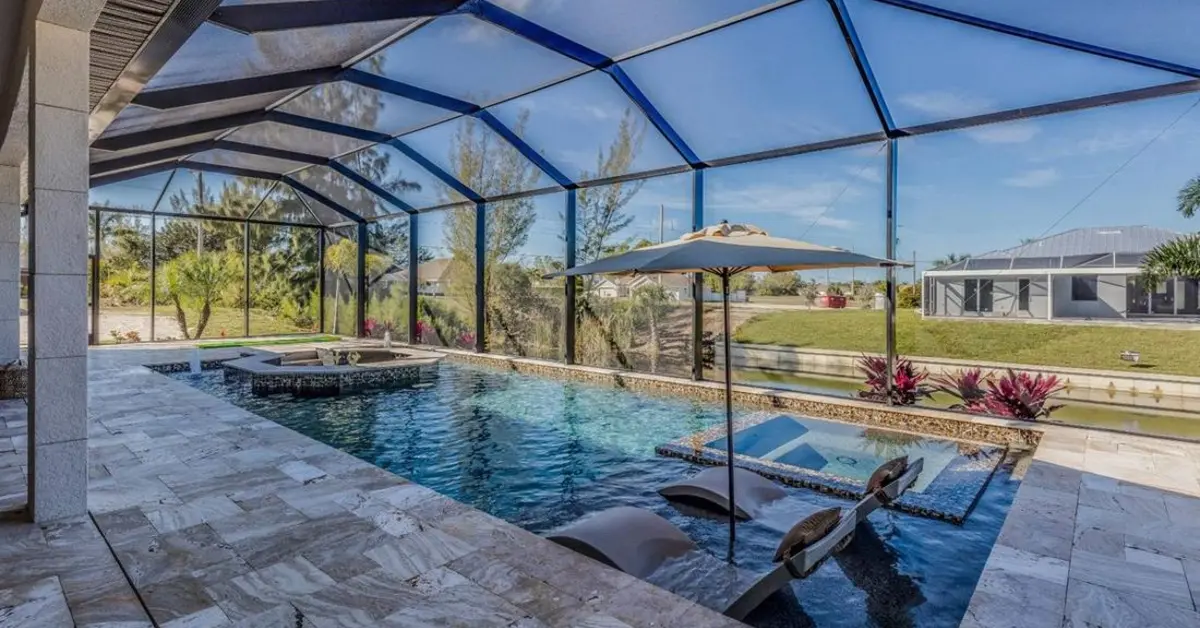
“Pool deck” describes a location, not one material. A deck may be interlocking concrete pavers, travertine, another natural stone, poured concrete, textured concrete, or a coated system. Each can respond differently to concentrated spray, chemicals, heat, and repeated cleaning.
Before work begins, identify the surface and any sealer or coating that may be present. Look for flaking, white haze, previous etching, loose units, open joints, repairs, and color differences. A small inconspicuous test is more useful than assuming the last contractor’s method should be repeated.
All Around Tampa’s pool deck washing service is based on surface-appropriate cleaning rather than maximum force. The process should also account for the nearby pool, screen enclosure, doors, landscaping, furniture, drains, and places where runoff can collect.
When Controlled Pressure Helps
Water pressure can remove loose soil and rinse treated organic growth, but it has to be controlled. A narrow tip held close to the deck concentrates force into a small area. That can leave stripes, roughen a surface, remove weak coating, or wash material from paver joints. Moving too slowly or stopping in one place creates the same problem.
For concrete pavers, the Concrete Masonry & Hardscapes Association’s maintenance guide notes that excessive cleaning can contribute to joint-sand loss and that joints should be topped up when sand has dropped significantly. The condition of the joints therefore belongs in the cleaning inspection, not as an unrelated concern discovered weeks later.
Professional pressure washing uses equipment, nozzle selection, distance, movement, and water flow as parts of one system. The useful question is not “How many PSI?” in isolation. It is “What combination will release this soil from this surface without creating a new defect?”
When Chemistry Should Do More of the Work
Organic film and staining often release more evenly after an appropriate dwell period. A surface-specific cleaner can break the bond so rinsing requires less force. That does not mean stronger is always better. The wrong chemical can discolor stone, affect metal, damage plants, react with an existing sealer, or leave a slippery residue.
Identify the soil first. Green or dark biological growth, leaf stains, rust, mineral deposits, grease, and sunscreen do not share one ideal treatment. CMHA’s cleaning and sealing technical bulletin recommends identifying stains, selecting cleaners intended for the material, and evaluating a test application in a small, inconspicuous area.
Protect the surrounding site before applying any solution. Move furniture and loose items, isolate sensitive surfaces, manage runoff, and follow product labels. The cleaning team should know where pool equipment, drains, metal anchors, screens, and planting beds are located. A cleaner that works on the deck still needs a safe application and rinse plan.
Why the Best Process Often Uses Both
On many pool decks, the most balanced approach combines targeted pretreatment with controlled mechanical cleaning and a thorough rinse. Chemistry loosens the soil; water flow carries it away. This can produce a more uniform result than trying to cut through every dark area with a concentrated jet.
A typical professional sequence is:
- Inspect and identify the deck material, joints, coatings, drainage, and stains.
- Remove furniture and dry debris.
- Protect the pool, nearby materials, and landscaping as the site requires.
- Test the selected method in a low-visibility area.
- Pretreat the affected zones and allow the label-directed dwell time.
- Clean with controlled, overlapping passes.
- Rinse residue toward a planned collection or drainage path.
- Review joints, edges, movement, and remaining stains after the surface dries.
The exact method changes by property. A shaded paver deck with open joints is not cleaned like a coated concrete deck with rust marks. An enclosed pool area also presents different access and overspray conditions from an open waterfront deck.
Inspect Paver Joints and Edges Before Cleaning
Pavers function as a system. The surface units, joint material, edge restraint, bedding, and drainage work together. Cleaning can reveal low joints, movement, or worn edges that were hidden by debris. It can also make an existing structural problem easier to see.
Walk the deck before washing and note rocking units, depressions, gaps, settlement near drains, and joints that are already low. If the edge is moving, read our guide to paver edge repair in St. Petersburg before treating the symptom as a cleaning issue. Paver repair may need to precede sealing or follow cleaning once the system can be evaluated clearly.
Do not describe every white deposit as dirt. Efflorescence, mineral residue, sealer failure, and surface wear can look similar in a quick photo but require different responses. Aggressive washing may not remove the cause and can make the appearance less uniform.
Decide Whether Sealing Belongs in the Plan
Cleaning and sealing are related but separate services. A deck should be clean and appropriately dry before a compatible sealer is considered. Existing coating condition, surface porosity, joint material, desired appearance, slip concerns, weather, and cure time all affect the decision.
All Around Tampa offers pool deck paver sealing for owners who want to discuss stain resistance, color, and ongoing care after cleaning. Sealer should not be used to hide movement, trapped moisture, contamination, or unresolved joint problems. Those conditions need to be assessed first.
Ask how the area will be isolated while products cure and when furniture, foot traffic, pets, and pool use can resume. The schedule must follow the selected system and site conditions, not a generic promise.
Build a Maintenance Rhythm Around the Property
Between professional cleanings, remove leaves and other debris before they hold moisture against the surface. Address spills promptly. Keep irrigation from repeatedly wetting the deck, and watch for drainage that carries soil or mulch onto the pavers. These small steps can slow the return of organic film and staining.
Frequency depends on shade, trees, enclosure, surface texture, drainage, foot traffic, and proximity to landscaping. Use condition-based inspections instead of assuming every pool deck needs the same interval. Photos taken after service create a useful baseline for later comparisons.
Homeowners can review examples in the project gallery and learn more about service options for the St. Petersburg area. The best recommendation should still come from the actual deck, not from a photo of a different property.
Frequently Asked Questions
Can every pool deck be pressure washed?
Many hard surfaces can be cleaned with professional pressure-washing equipment, but the nozzle, distance, flow, chemistry, and technique must fit the material and its condition. Weak coatings, soft stone, open joints, and existing damage require extra caution.
Will pool deck washing remove all stains?
Not always. Results depend on the stain, how long it has been present, prior coatings, surface damage, and material porosity. Some discoloration may be permanent or may need a specialized treatment.
Does cleaning mean my pavers need to be sealed?
No. Sealing is a separate decision. The cleaned surface, joint condition, existing products, desired finish, weather, and maintenance goals should be reviewed before applying a sealer.
How should I prepare for professional pool deck cleaning?
Confirm access, move personal items as directed, identify pool equipment and known repairs, secure pets, and discuss furniture, screens, landscaping, runoff, and pool protection with the service team.
Choose a Method That Protects the Whole Deck
Effective pool deck cleaning is not a contest to use the strongest spray. It is a controlled process that matches the material, contamination, joints, coatings, and surrounding pool area. Inspection and testing make the difference between a temporary bright patch and an even, responsible clean.
For a pool deck in St. Petersburg or the surrounding Pinellas County, contact All Around Tampa to request an on-site evaluation. We can recommend a cleaning approach based on the surface you have and the condition it is in now.